A Shift in Who's Buying Homes in LA
There's a change happening in the Los Angeles market right now, and it's changing how certain properties trade.
Homes that would typically get scooped up by developers are increasingly closing with end users instead. The reason isn't complicated: developers are still buying, but they're far more selective than they were even a year ago.

Why LA Developers Are Pulling Back From Spec Deals in 2026
Construction costs are moving fast, and smaller builders are absorbing the brunt of it. Over half are now reporting material cost increases of 5% or more this year, with about 1 in 5 seeing increases of nearly 10% or higher. Softwood lumber alone rose 7.4% between June and July, and is up 17.3% over the past year.
Tariffs remain the biggest swing factor in that math. NAHB pushed the current administration this week to exempt building materials from tariffs altogether, calling the added cost pressure incompatible with the ongoing housing affordability crisis, a request that underscores how directly trade policy is now feeding into whether a developer's numbers pencil.
Nationally, the numbers back up what I'm seeing on the ground here. The NAHB/Wells Fargo Housing Market Index sat at 35 in August, the 16th straight month below the 40-point mark that separates positive from negative builder sentiment. Thirty-five percent of builders reported cutting prices just to move product. And critically, NAHB's own data shows custom home builders reporting meaningfully stronger conditions than spec builders right now, a direct reflection of demand holding up better at the high end, where buyers are less sensitive to rate moves.
Add in mortgage rates that have stayed stuck in the mid-6% range, 6.66% for a 30-year fixed as of late August, and you get a lending environment where the math on a ground-up spec deal has to work a lot harder than it did two years ago.
None of this means developers have left the market. It means they're underwriting with a finer pencil, and passing on deals that would have been obvious buys a year ago.
What This Means for Los Angeles Home Sellers
That pullback creates space, and end users are stepping into it. These are buyers focused on lifestyle and long-term value rather than a construction budget and an exit timeline. In some cases, they're willing to move faster and pay more than the developer sitting across the table doing math on holding costs.
We've been positioning properties for both audiences at once rather than picking a lane. For each listing where this dynamic applies, that means commissioning underbuilt reports to establish true buildable potential, building detailed offering memorandums with construction cost ranges, holding costs, and comparable new-build values, and producing walkthrough content aimed at both developer networks and end-user buyers. Whoever shows up should arrive informed and ready to act, whichever kind of buyer they are.
Recent Brentwood Sales: Travis Street and Tigertail Road
12146 Travis Street, Brentwood - sold at $2,300,000. Tucked at the end of a private cul-de-sac off Bundy, this property had real development potential. Our underbuilt analysis supported up to roughly 7,700 square feet of new construction. The numbers worked on paper, but developer interest cooled once the east-facing hillside orientation and the property's listing history entered the underwriting conversation. An end user recognized the long-term value and moved decisively.
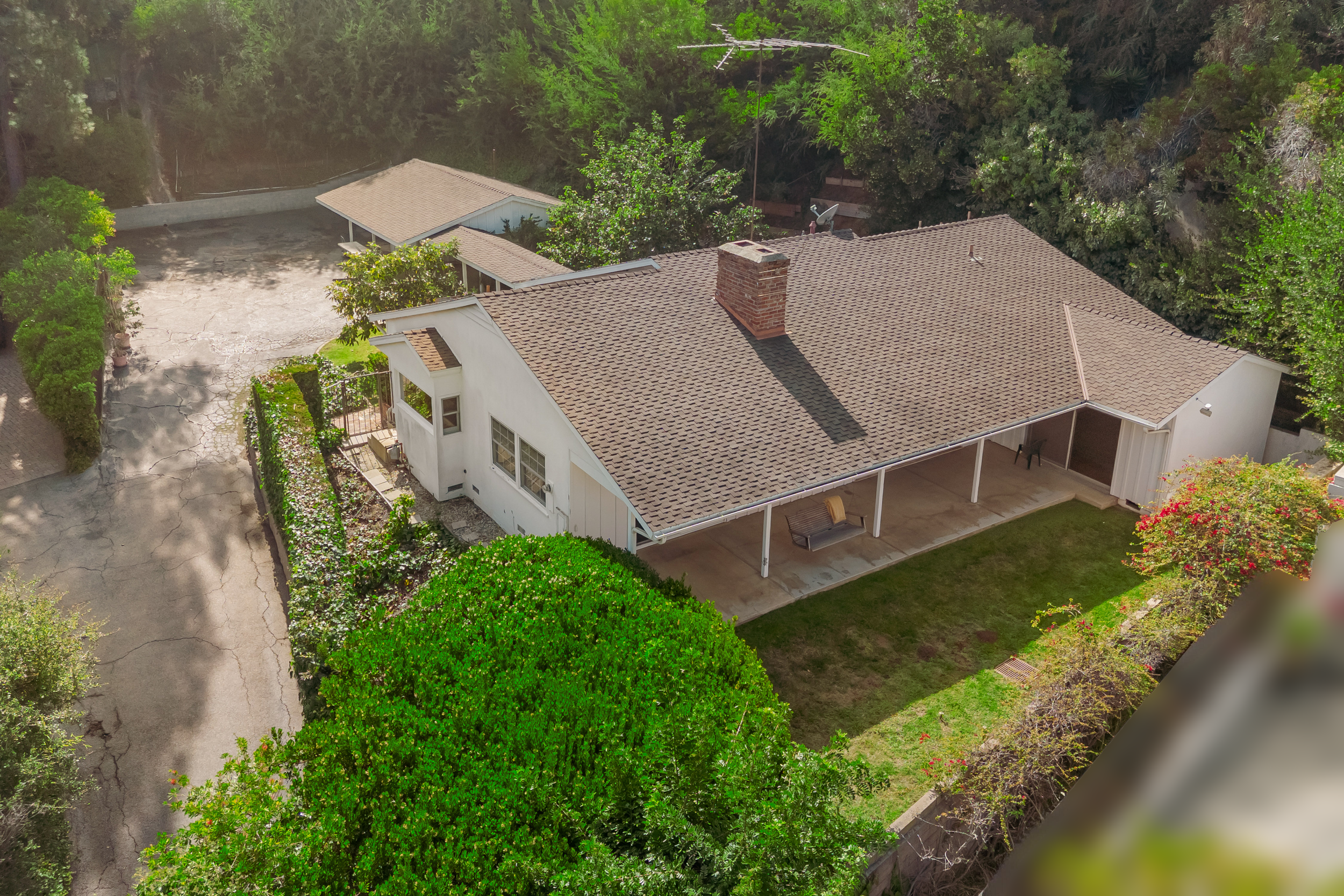
1128 N Tigertail Road, Brentwood - sold at $2,050,000. This one needed a specific buyer. Crestwood Hills HOA guidelines and the site's topography narrowed the developer pool to a small group of highly experienced, well-capitalized builders, so our marketing reflected that from the start. It ultimately traded to an end user with the vision and capability to execute within those constraints.
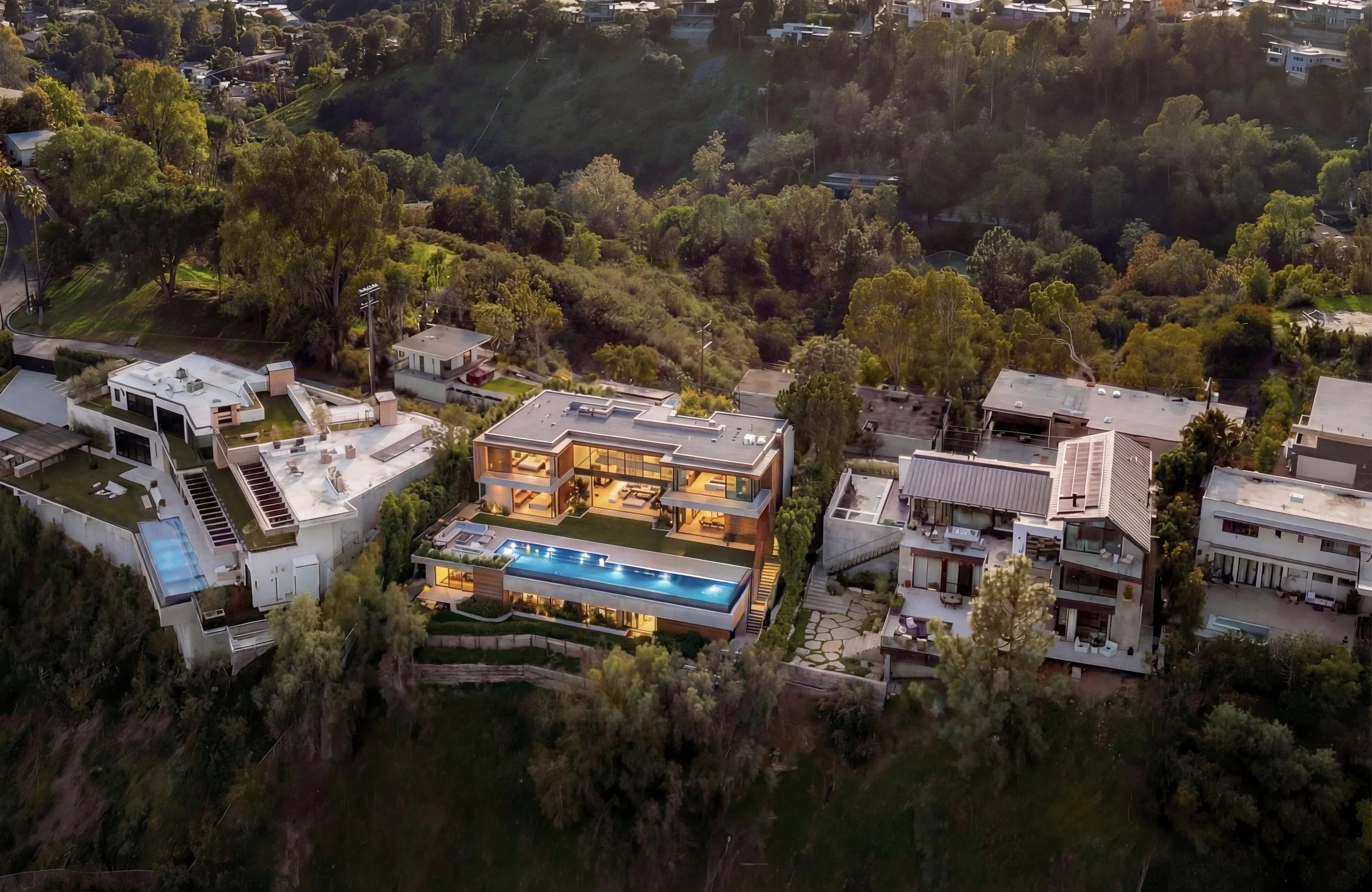
Photo Digitally Rendered
How to Position Your LA Property for Developers and End Users
The buyer pool hasn't shrunk. It's evolved, and the biggest mistake right now is positioning a home for only one type of buyer.
Market it purely as a developer deal, and you risk missing the end user who may pay more for the lifestyle and location. Market it only as a finished home, and you lose the investors who still see upside once construction economics settle down.
The strategy today is bridging both, giving a property multiple paths to a sale, and letting the right buyer emerge on their own terms.
The Bottom Line on LA's Developer-to-End-User Shift
Developers haven't disappeared. They've gotten more cautious, and that caution is being driven by real numbers: rising material costs, tariff pressure that's now drawn a formal exemption request from the National Association of Home Builders, and mortgage rates that haven't given buyers much relief. End users are stepping into the gap where the math doesn't pencil the same way it used to for a builder.
How a property gets positioned today directly affects who shows up to look at it, and how strong they come in when they do.
If you're considering a move this year, understanding where your property sits within that dynamic matters. We're always happy to walk through it with you. No pressure. Just perspective.
FAQ
Are developers still buying in LA right now? Yes, but with tighter underwriting. National builder sentiment has stayed below the neutral 40-point mark for 16 straight months, and custom and higher-end projects are outperforming spec building, which tracks with what we're seeing on Westside teardown and development-potential listings.
Why are construction costs rising in 2026? Tariffs on imported building materials are the biggest driver right now. Over half of small and mid-size builders report material cost increases of 5% or more this year, and the National Association of Home Builders is actively lobbying for a building-materials tariff exemption because of it.
Should I market my property to developers or to end users? Both, if the property supports it. Positioning for only one buyer type narrows your outcome. A dual-audience approach, backed by real underbuilt and cost data, lets whichever buyer values the property most come forward.
Does a high mortgage rate affect developer buyers too? Yes. Construction and bridge financing move with the same rate environment homebuyers face. With 30-year rates averaging 6.66% as of late August 2026, financing costs are a real factor in whether a spec deal pencils.
Lets Connect!
Thinking about buying or selling on the Westside? Reach out to the Paul Salazar Group at 310-853-2643 or info@paulsalazargroup.com, we're happy to answer questions and help you figure out your next move.