Which Home Style Sells for the Most on the Westside?
The Architecture Gap: What Developers Build vs. What Buyers Pay Most For
Most agents won't pull this data. Most sellers don't think to ask for it. But if you own a home on the Westside, your home's architecture style has a specific number attached to it, and that number should be driving how you price, market, and time your sale.
I ran an analysis across 2,381 sales spanning Beverly Hills, Bel Air, Brentwood, Santa Monica, Pacific Palisades, Venice, Mar Vista, Westwood, Beverly Hills Post Office, and Sunset Strip. I classified each sale by architecture style using the listing description, then ranked every style by median sold price per square foot. Here's what the data says.
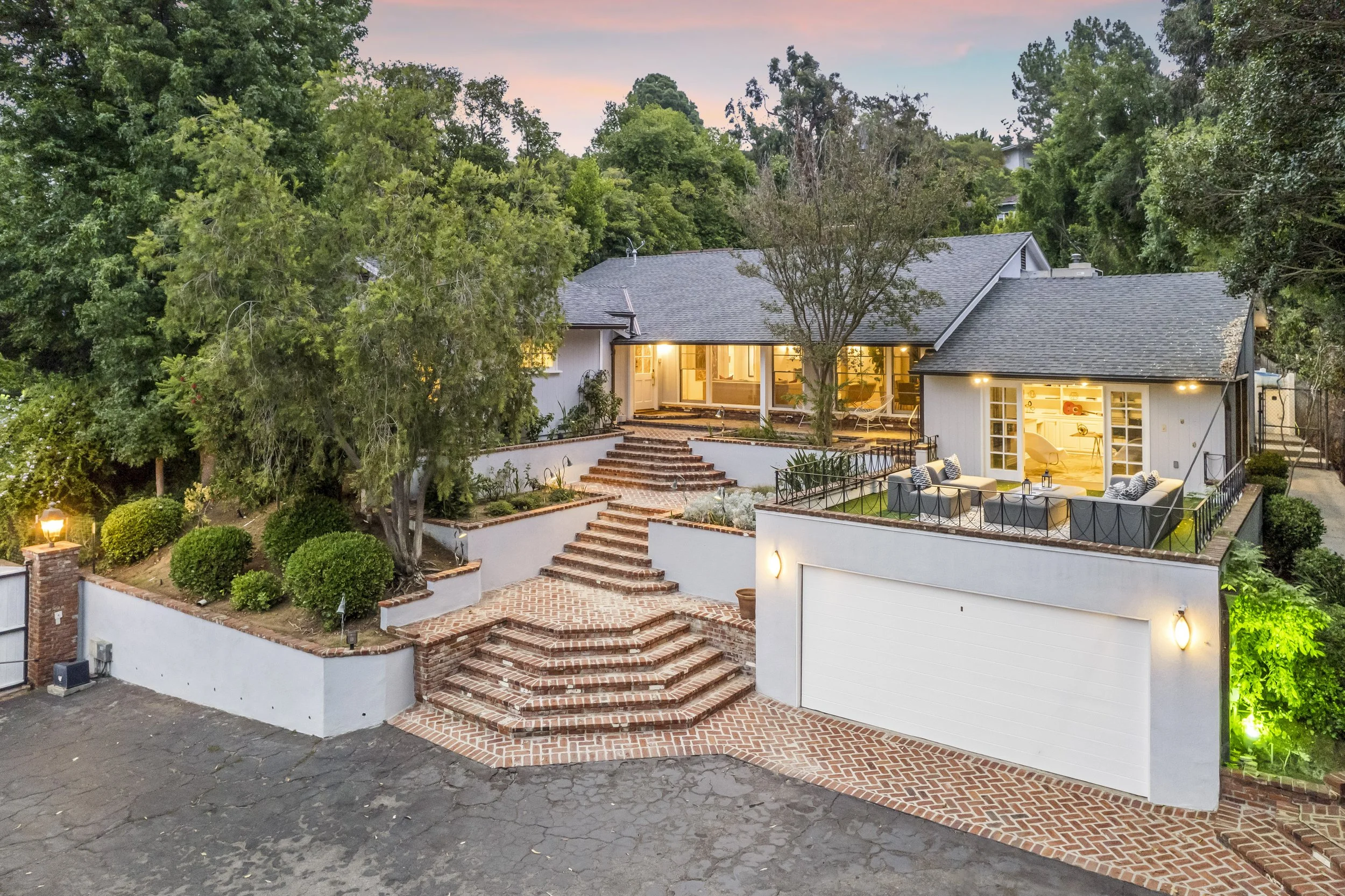
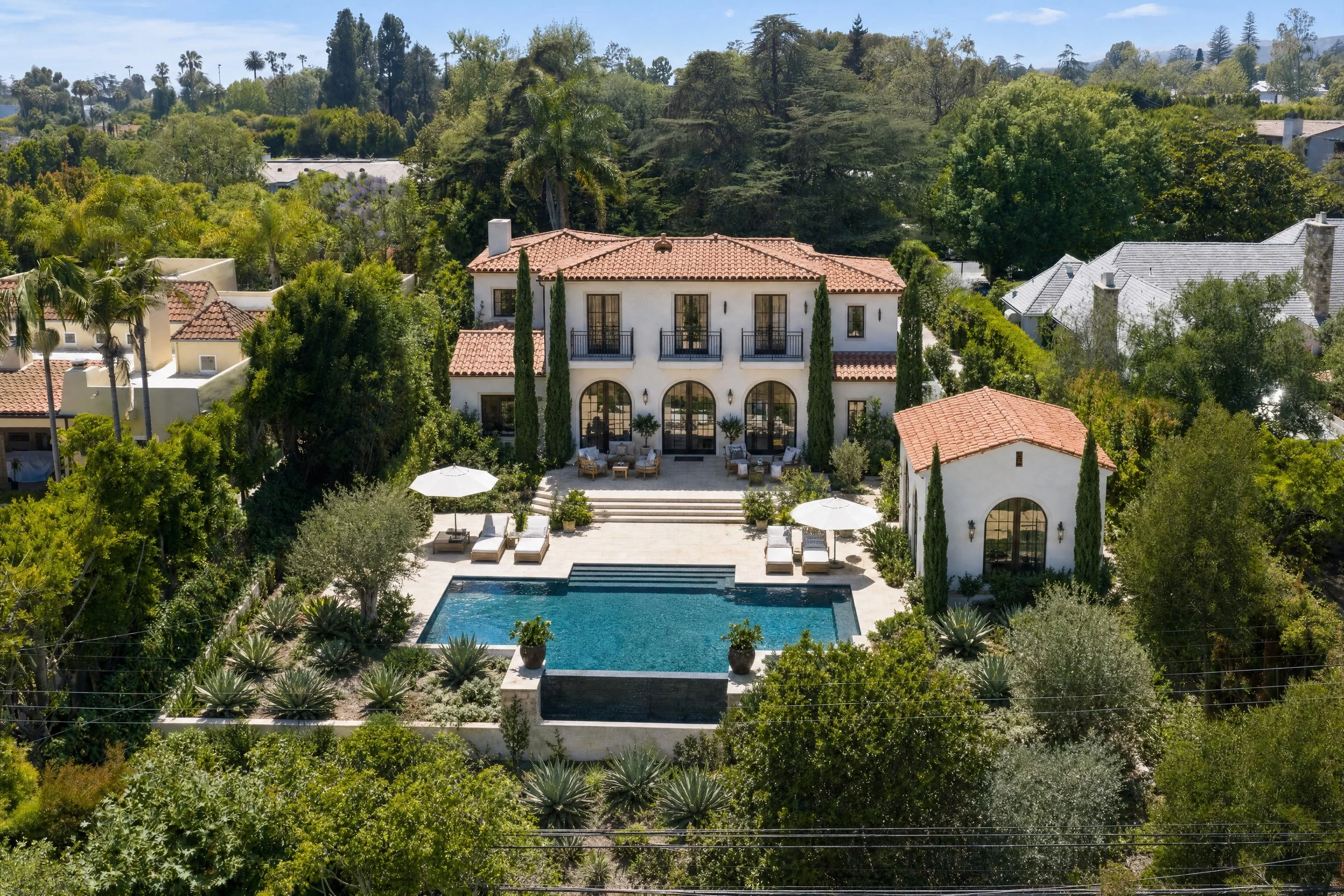
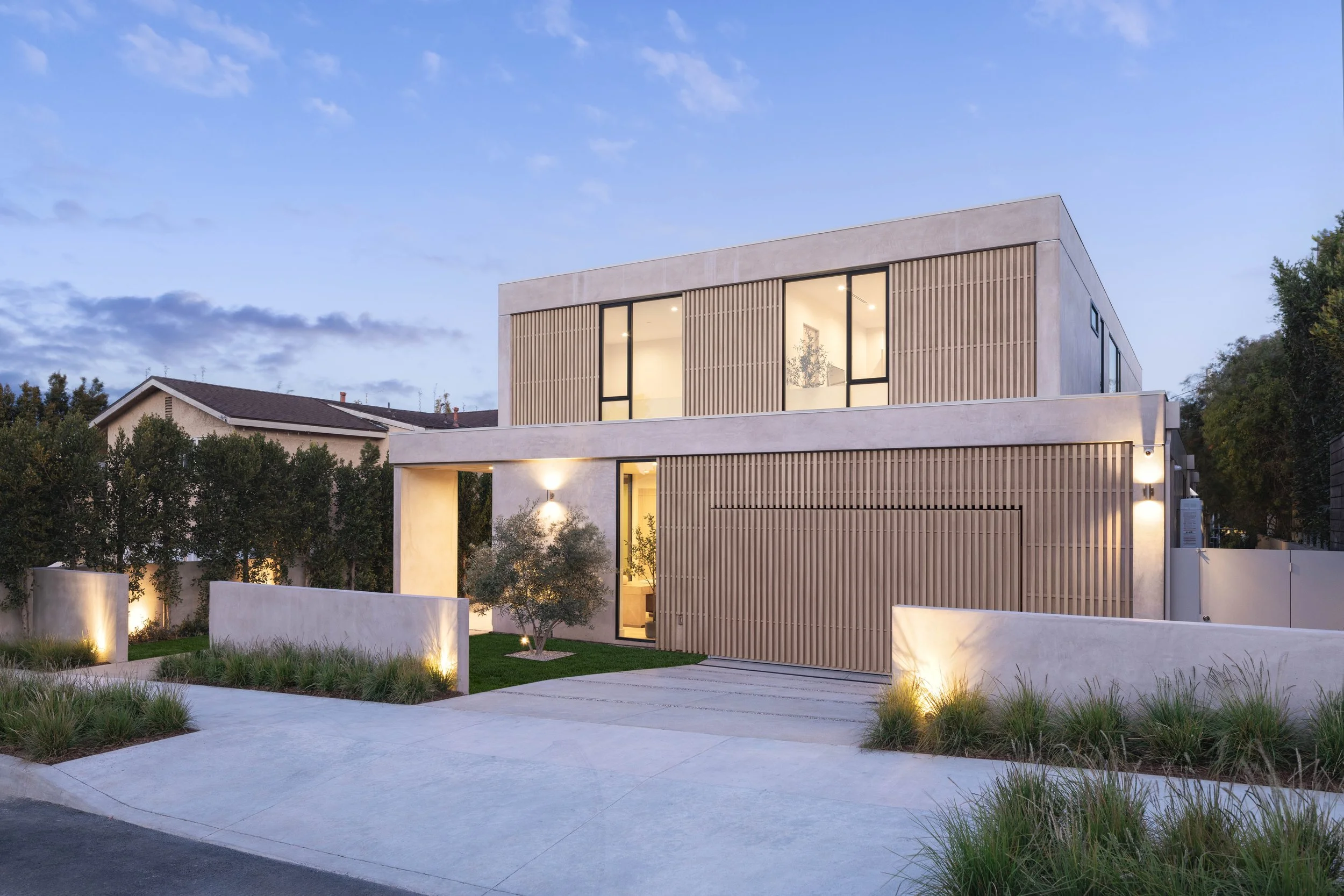
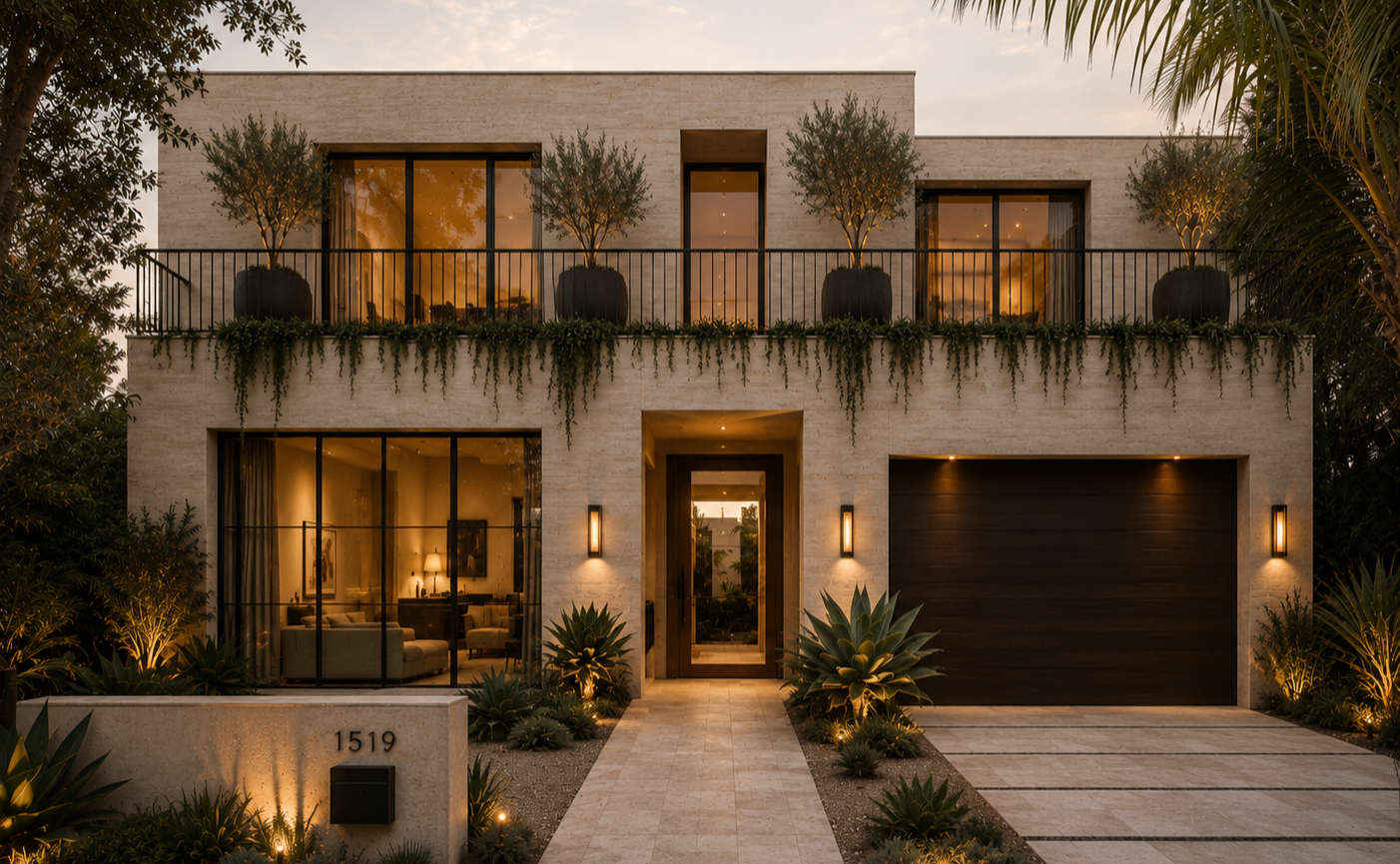
Which Architecture Style Has the Highest Price Per Square Foot on the Westside?
Bungalows lead the Westside at $1,502 per square foot, 25% higher than Modern, which clocks in at $1,199. Spanish comes in at $1,242. Craftsman lands at $1,284. Traditional closes at $1,249. Meanwhile, Modern, the style that dominates developer spec homes and flips across every neighborhood, only ranks 11th out of 15 styles with enough sales to measure. Contemporary sits at $1,130 and Mediterranean drops to $1,064.
This isn't a small sample. Modern accounted for nearly 40% of all classified sales in the dataset, 952 transactions. It's not that buyers aren't buying Modern homes. It's that they're not paying a premium for them relative to what character-driven architecture commands.
Does Mid-Century Modern Sell for More Than Modern in Beverly Hills and Santa Monica?
Yes, and the gap is one of the largest in the dataset. In Beverly Hills, Mid-Century Modern leads at $1,869 per square foot, a 16% premium over standard Modern in that same market. In Santa Monica, Mid-Century Modern tops out at $1,767, and Spanish commands $1,685.
What's the Best-Selling Home Style in Brentwood and Venice?
In Brentwood, Spanish leads the market at $1,514 per square foot, with Architectural right behind at $1,505. In Venice, Bungalows clear $1,544, and Spanish and Craftsman follow. If you own one of those styles in one of those markets, you're sitting on a style premium that most sellers and their agents never explicitly surface.
Is the Character-Home Premium Backed by Data Outside Los Angeles?
Yes. A University of Texas at Arlington study published last year in the Journal of Real Estate Finance and Economics found that homes with strong curb appeal and character sell for an average of 7% more than comparable homes nearby, and that premium widens to 10-11% in slower, better-supplied markets. (UTA News) The researcher's conclusion tracks exactly with what I'm seeing in the Westside numbers: a well-kept, distinctive exterior signals the whole property has been cared for, and buyers pay to reduce that risk.
Why Doesn't Modern Architecture Sell for More If It's the Most Common New Build?
The "glass box" has become its own subject of debate in LA real estate circles. Design writers have pointed out that the minimalist Modern spec home, cheap to replicate and efficient to build, has multiplied across the Westside and the hills to the point that critics now call the look generic, while defenders argue it still appeals to buyers who prioritize function over ornament (Modern HB). That divide is exactly what shows up in the per-square-foot numbers: buyers aren't rejecting Modern, but they've seen enough of it that it no longer commands a scarcity premium the way it did a decade ago.
2026 itself is shaping that behavior further. With the luxury market still favoring buyers over sellers, industry analysts note that buyers now have the leverage to hold out for quality, design, and privacy instead of settling (GOBankingRates).
That's a buyer's market with better options and more patience, which is exactly the environment where a distinctive, well-preserved property pulls ahead of a generic one.
Should I Renovate My Character Home to Look More Modern Before Selling?
The developers building glass boxes and minimalist Modern spec homes are making a product decision based on construction efficiency, not buyer psychology. Buyers are saturated by Modern. They've walked through dozens of them. What stops a buyer mid-tour is character: an original Spanish tile, a craftsman detail, a bungalow that feels like it belongs to the street it's on. That's not sentiment. It's showing up in the per-square-foot numbers. The mistake I see sellers of character homes make is apologizing for age or "original" features. Those features are not liabilities. In many cases, they're the reason the price holds. Based on this data, stripping that character out ahead of a sale typically works against you.
How Should I Price and Market a Character Home on the Westside?
If you own a Spanish, Craftsman, Traditional, or Mid-Century home on the Westside, the marketing strategy for your sale needs to lead with architecture, not as a descriptor, but as the thesis. The right buyer for your home is paying specifically for what makes it different from the modern inventory around it. Finding that buyer, reaching that buyer, and positioning your home against the right comps is the job. Pricing it like generic inventory is the fastest way to leave money on the table.
If you own a Spanish, Craftsman, Bungalow, or Mid-Century home on the Westside, I'll pull the comps for your specific style in your specific neighborhood, no charge, no obligation. You'll know exactly where your home's architecture ranks before you decide when to sell.
Frequently Asked Questions
Does architecture style really affect a home's sale price on the Westside? Yes. Across 2,381 Westside sales, median price per square foot varies by as much as $800 depending on the style, with character-driven styles like Bungalow, Spanish, and Mid-Century Modern outperforming Modern in most submarkets.
Why doesn't Modern architecture command the highest price if it's the most common style built today? Modern is efficient and inexpensive to build at scale, which is why developers favor it, but that same volume means buyers have seen it repeatedly and no longer pay a scarcity premium for it. It ranks 11th out of 15 styles measured in this analysis.
Is this true in every Westside neighborhood, or does it vary? It varies by market. Mid-Century Modern leads in Beverly Hills and Santa Monica, Spanish leads in Brentwood, and Bungalows lead in Venice. The right positioning depends on the specific neighborhood, not a single Westside-wide rule.
Should I avoid renovating my character home into a more Modern look? Based on this data, stripping original character, tile work, craftsman detailing, period features, can work against you. Those elements are frequently the reason the price holds, not a liability to correct.
How do I find out where my home's style ranks in my neighborhood? That requires pulling comparable sales specifically by architecture style within your submarket, not just by beds, baths, and square footage. Reach out and I can run that analysis for your specific property.
Let’s Connect!
Want to know where your home's style ranks in your neighborhood, and what that's worth in your sale price? Reach out to me at info@paulsalazargroup.com. I'll run the comps.