What Global Conflicts Mean for Los Angeles Real Estate
Edit this: A missile hits a tanker in the Strait of Hormuz on a Tuesday. By Wednesday morning, your mortgage quote is a quarter-point higher than it was on Monday. That's not a coincidence, and it's not a one-off. That's just how 2026 works.
If you're buying, selling, or sitting on the fence on the Westside right now, you've probably felt this without being able to name it, rates jump around for reasons that have nothing to do with the Fed's meeting calendar, luxury buyers from overseas keep showing up with cash while everyone else waits, and rebuilding a house in the Palisades costs more this year than it did last year for materials that haven't changed at all. There's a real, traceable line connecting all three of those things to what's happening in the Middle East, in shipping lanes, and in trade policy right now. Let's walk through it.
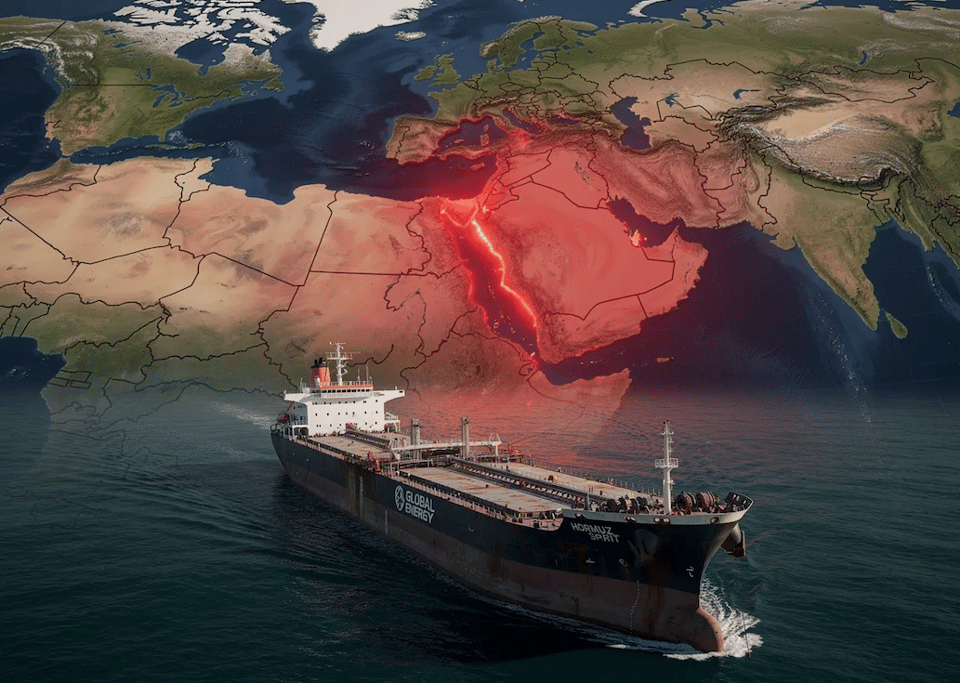
Why a War 7,000 Miles Away Shows Up in Your Mortgage Payment
Here's the chain, and it's shorter than people think: conflict disrupts oil supply → oil gets more expensive → inflation expectations rise → investors demand higher yields on bonds → mortgage rates, which track the 10-year Treasury, go up.
That's not theory. It's this week. The 30-year fixed rate jumped to 6.74% on September 2, 2026, up 15 basis points in a single day, as U.S. strikes on Iranian targets and retaliatory attacks near the Strait of Hormuz rattled markets. Compare that to where things stood on February 23, 2026, when the 30-year fixed touched 5.99%, the lowest print since September 2022, right before this conflict began .
That's the whole story in two numbers: a nearly three-quarter-point swing, driven almost entirely by geopolitics, not by anything happening in the actual U.S. housing market.
The Safe-Haven Effect: Why Uncertainty Is Fueling the Westside Luxury Market
Here's the part that surprises people: the same instability that's scaring off a first-time buyer in the San Fernando Valley is pulling money into the Westside luxury market.
When the world feels unstable, capital looks for a safe place to park, and Los Angeles keeps showing up on that list. "Los Angeles remains a safe-haven market for global investors," Douglas Elliman's Victor Currie told Realtor.com. "As much as it feels overpriced by average housing standards, we can be thought of as a relative bargain compared to other major cities like London or Sydney or Hong Kong". At its peak this year, nearly one in five luxury home shoppers in LA has been a foreign buyer, even as some California billionaires head for Florida and Nevada ahead of a proposed state wealth tax.
That international demand shows up in the sales data. Robb Report found that homes selling for $10 million or more generated $38.6 billion nationally last year, and in Los Angeles specifically, ultra-luxury transactions jumped more than 50% year-over-year, with sales volume up 61%, despite the mansion tax and the uncertainty that followed the January 2025 wildfires.
Translation for anyone selling above $3M on the Westside right now: you're not competing in the same pool as the buyer waiting for rates to drop. Global uncertainty is one of the reasons your pool of buyers is deeper than the headlines suggest.
Tariffs, Rebuilds, and What It Actually Costs to Build Right Now
Geopolitics isn't just moving rates and pulling in capital, it's also raising the cost of the materials going into every Westside remodel and every Palisades rebuild.
New 2026 federal tariffs cover metal, lumber, cabinets, and certain HVAC products, and the details matter: softwood lumber carries a 10% tariff, kitchen cabinets and vanities sit at 25% (with a jump to 50% delayed until January 1, 2027), and duties on goods from Canada and Mexico apply to the non-U.S. content specifically, not a flat rate across the board. None of that is abstract if you're rebuilding in the Palisades right now, current fire-rebuild bids for a custom 3,000–5,000 square foot home range from roughly $580 to $930 per square foot depending on construction method, before land, landscaping, or soft costs. Every basis point tariffs add to steel, lumber, and cabinetry gets baked into that number.
My Take
Here's where I land: if you're a buyer who's serious and pre-approved, rate volatility this sharp means locking the day you're in contract, not floating and hoping for a better headline, swings of 15 to 25 basis points in a single day have become normal, not rare. If you're a seller above the $3M mark, don't let the "rates are up" narrative talk you into underpricing; the safe-haven buyer pool on the Westside right now is real, it's international, and it's less rate-sensitive than the median-price buyer everyone's worried about. And if you're rebuilding in the Palisades, price your project against this week's material costs, not last year's bid, tariff schedules are still moving.
What This Means If You're Buying or Selling on the Westside Right Now
Buyers: Lock your rate once you're in contract. Don't float through a week with active Middle East headlines.
Sellers under $1.5M: Expect more rate sensitivity in your buyer pool, pricing precision matters more than usual.
Sellers over $3M: You're closer to the safe-haven capital story than the mortgage-rate story. Price for the buyer who's protecting wealth, not just the buyer financing a purchase.
Anyone rebuilding after the fires: Re-quote materials before you finalize a budget. Tariff-driven costs on lumber, steel, and cabinetry are moving targets in 2026, not settled numbers.
FAQ: Global Conflict and LA Real Estate
Does war in the Middle East actually affect my mortgage rate? Yes, indirectly but measurably. Conflict disrupts oil supply, oil prices rise, inflation expectations climb, and Treasury yields, which mortgage rates track closely, move up with them. The 30-year fixed jumped from a 2026 low of 5.99% in February to 6.74% by September 2, largely on the back of renewed fighting involving Iran.
Is the Los Angeles luxury market actually benefiting from global instability? In part, yes. Los Angeles is widely viewed by international buyers as a relative safe-haven and a comparative bargain against cities like London, Sydney, and Hong Kong. Ultra-luxury ($10M+) sales in LA rose more than 50% year-over-year even amid the mansion tax and post-wildfire uncertainty.
Should I wait to buy until the conflict resolves and rates come back down? There's no reliable way to time that. Rates have swung 15–30 basis points in single days on conflict headlines alone, and even short-lived geopolitical shocks have historically taken months to fully unwind. If you're financially ready, locking your rate at the right moment matters more than guessing when the news will improve.
How are tariffs connected to the cost of rebuilding in Pacific Palisades? 2026 federal tariffs on lumber, steel, cabinets, and HVAC components raise the cost of the materials that go directly into a rebuild. Current bids for custom Palisades rebuilds run roughly $580 to $930 per square foot depending on construction method, and that range moves as tariff schedules change.
Is this kind of volatility a sign the LA housing market is heading for a crash? No. Housing economists tracking this closely, including Bright MLS's Lisa Sturtevant, describe the current environment as a gradual affordability correction shaped by rates, inflation, and geopolitical anxiety, not a 2008-style collapse.
Connect With Us!
Wondering how a rate lock or a Westside listing timeline should factor in what's happening overseas? That's exactly the kind of call I have with clients every week right now. Text or call us at 310-853-26443 or email at as info@paulsalazargroup.com on your specific situation, no spin, just what the data actually means for your move.