The LA County Rent Cap Expired on May 29, Here's What It Does (and Doesn't) Allow on the Westside
The post-fire price-gouging cap that has governed LA County rents since the January 2025 fires quietly expired on May 29, 2026. That removes the two county-specific caps on rent, but it does not make rents a free-for-all. Statewide AB 1482 and the rent ordinances in the City of LA, Santa Monica, and Culver City all still apply exactly where they did before. The properties with real new flexibility are single-family homes and condos that fall outside those protections. Most owners I talk to don't yet realize what actually changed.
What Happened on May 19
On May 19, the County Board of Supervisors took up a 30-day extension of the post-fire price-gouging protections. It failed. Supervisors Lindsey Horvath and Hilda Solis voted to continue the rules; Kathryn Barger, Janice Hahn, and Holly Mitchell abstained, and that was enough to kill the motion. The protections had been renewed month-to-month since the summer of 2025, so this was the first time in over a year the board let them lapse. They officially expired on May 29.
What the Cap Actually Did for 16 Months
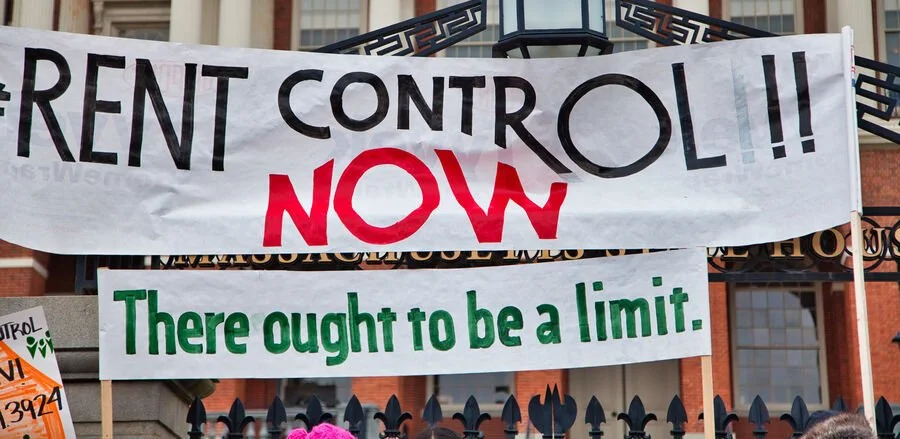
For 16 months, the county rules did two specific things: they capped rent increases at 10% above pre-fire advertised levels, and they barred owners from charging more than 200% of HUD fair-market rent on units that hadn't previously been listed (LAist). Both of those caps are now gone countywide. That's the entire substance of what expired, two ceilings, both county-level, both now lifted.
How Uneven the Enforcement Really Was
It's worth knowing how the cap functioned in practice, because it tells you what the lapse does and doesn't change on the ground. A tenant group called The Rent Brigade documented 18,360 listings with likely violations by January 2026, while prosecutors filed only a handful of misdemeanor charges. A displaced Altadena family filed the first private civil suit the day before the cap expired. The protection existed on paper; the enforcement, for the most part, didn't.
What This Means on the Westside Specifically
This lands hardest in the Palisades and in the markets that absorbed its displaced families, Santa Monica, Brentwood, Mar Vista, Marina del Rey, and Venice. Roughly two-thirds of fire survivors are still in temporary housing, many on leases they signed in the chaos of early 2025. Those leases are now hitting renewal in a market with no county cap.
The demand side isn't softening, either. The rebuild timeline in the Palisades, permitting, insurance, construction, means many of these families need housing for another two to three years, not two to three months. That demand isn't going anywhere.
The Protections That Did NOT Go Away
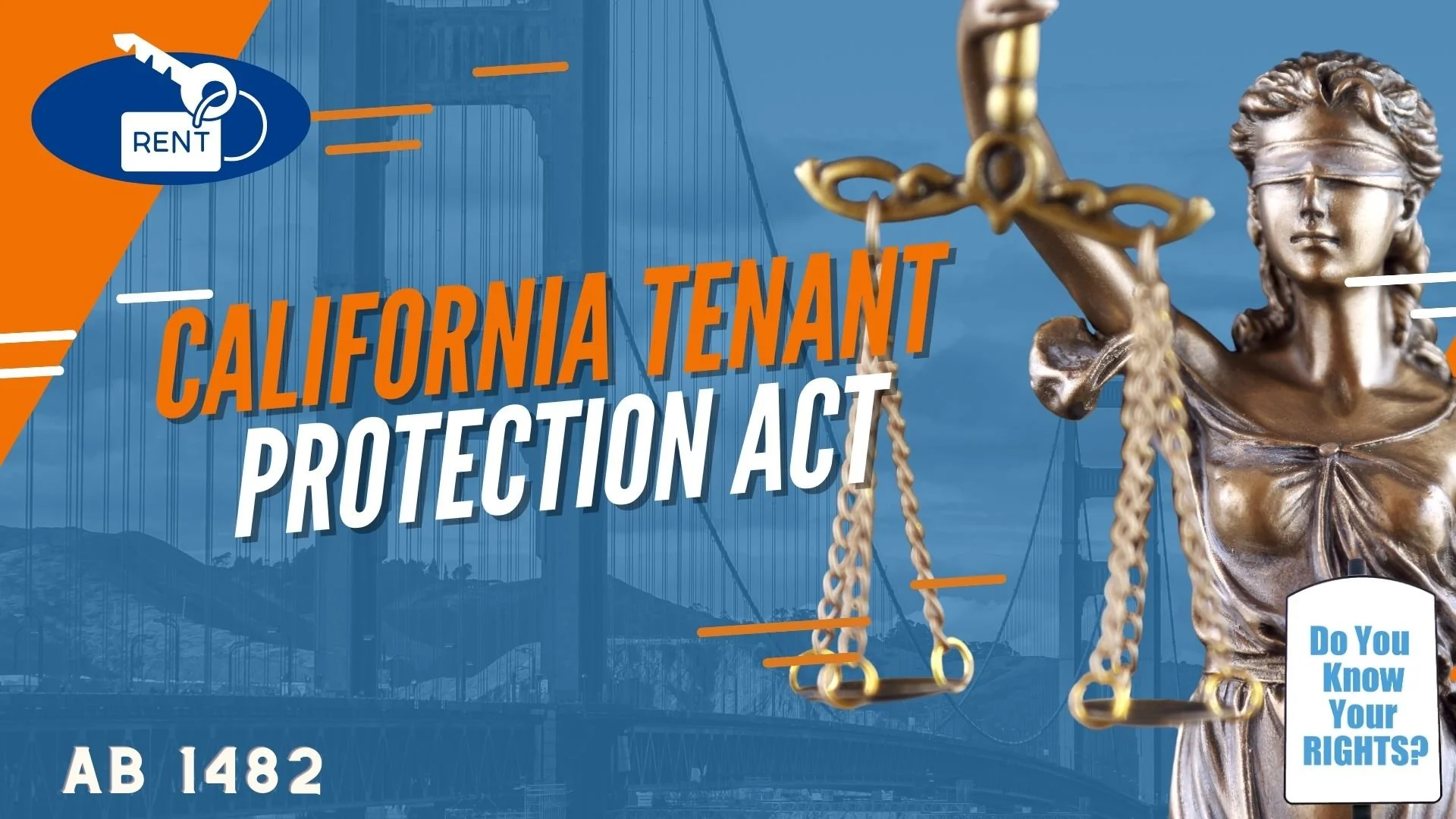
Here's the part most coverage skips, and it's the part that matters most before anyone sends a notice. The emergency county cap expiring does not erase tenant protections. Statewide AB 1482 still limits annual increases on most multifamily housing to roughly 5% plus CPI. The rent ordinances in the City of LA, Santa Monica, and Culver City still apply wherever they always did.
The real exposure, the properties that can now move toward market with no county ceiling, is single-family homes and condos that fall outside those state and city protections. If you own one of those, you have new flexibility. If you own multifamily, or a unit inside a city rent-control jurisdiction, far less changed than the headlines suggest.
What I'm Seeing Right Now
The owners calling me aren't trying to gouge anyone. They're people who held rent flat for a year and a half under the cap, watched insurance and carrying costs climb the whole time, and now want to know what they can legally reset to. The displaced families I'm working with are asking the opposite question — whether the place they're renting while they rebuild is about to get more expensive right as their insurance displacement coverage runs out.
Both questions are legitimate. And both run into the same wall: the law that applies to one specific unit determines the answer, and that's not something to guess at after 16 months of frozen rents.
What to Do With This
If you own a rental, especially a single-family home or condo: Don't guess at the new number. Get a current rent analysis and confirm which laws still bind your unit before you send any notice. The county cap lifting does not override state or city rules, and the penalties for getting that wrong are real.
If you're renting while you rebuild: Read your lease's renewal terms now. Find out whether AB 1482 or a city ordinance covers your unit before an increase shows up, not after.
Not Sure What You Can Legally Charge Now That the Cap Is Gone?
With renewal season hitting right now and the county ceiling gone, it's a good moment to stop guessing and get a straight answer on your specific unit. Whether you own a Westside single-family or condo and want to know what you can legally reset to, or you're renting while you rebuild and need to know if AB 1482 or a city ordinance still covers you, the answer comes down to one address and the law attached to it. Let's talk before any notice shows up. Reach out to me anytime at info@paulsalazargroup.com to connect.